#KeepTexasTogether

All Texans are part of the thread that holds us together.
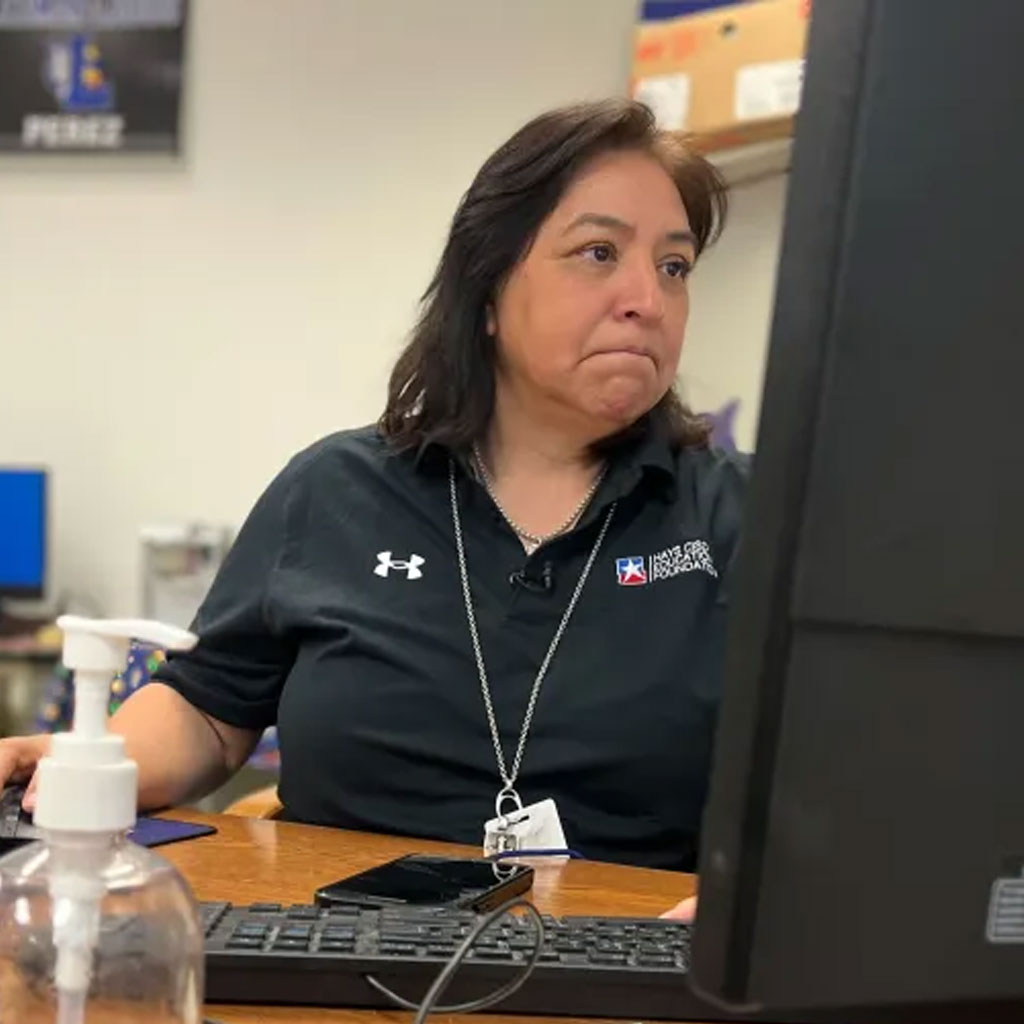
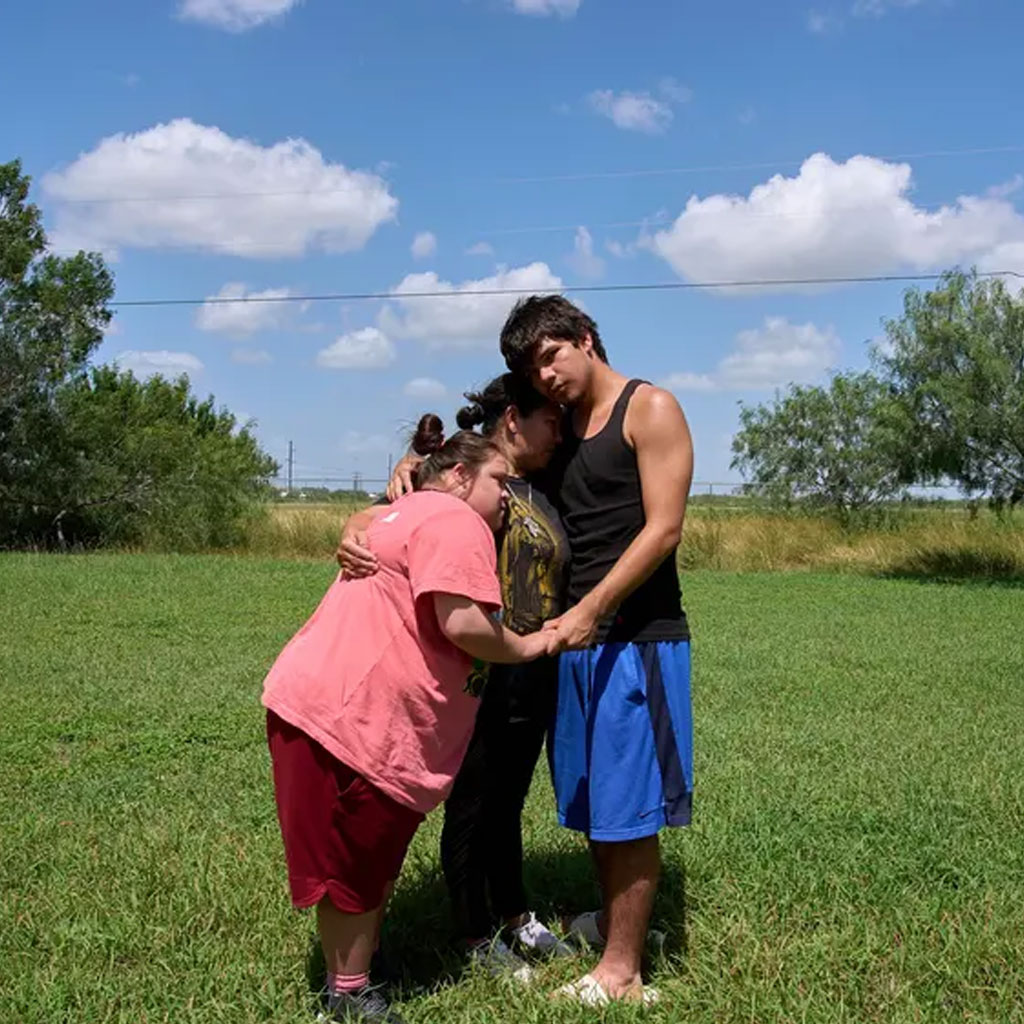
Immigrants start businesses, care for our loved ones, coach Little League, and live the values we cherish: hard work, family, resilience, and freedom. Our state is stronger because of immigrants, and when we push people out the Texas we know falls apart.
.png)
They’ve always been part of Texas.
Behind every number is a neighbor.This is our Texas.
Immigrants power our economy, care for our families, and enrich our culture. Their work, values, and commitment strength every corner of Texas. This data doesn’t just show numbers, but the people who help build a more prosperous Texas.
The Every Day Texan
Who’s missing from your street, your job, your school, your church, your home?
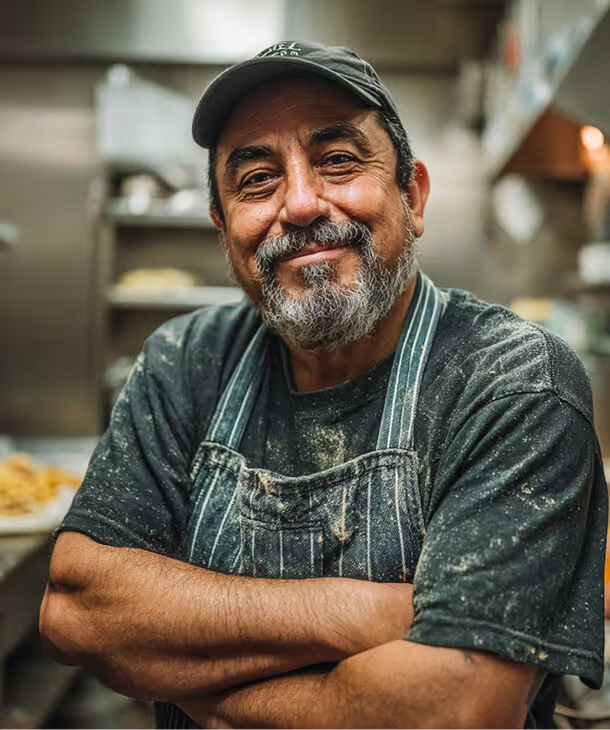
Carlos Mendoza, 45
Born in Mexico City, Carlos moved to Austin in his early 20s and started out working on small remodeling jobs. Over the years, he built a construction company that now employs more than 30 people, many of them fellow immigrants. From family homes to schools and community centers, his work has shaped the city in ways you can see in nearly every neighborhood.

María Santos, 34
Originally from the Philippines, María works as an ICU nurse in Dallas. Known for her calm under pressure, she’s cared for countless patients through hurricanes, pandemics, and everyday emergencies—often working double shifts to fill critical staffing gaps.

Samuel “Sammy” Adebayo, 10
Sammy’s family immigrated from Nigeria when he was a toddler. Today, he’s a spelling bee champ, plays on his school’s baseball team, and dreams of becoming an engineer. His favorite subject is science because, as he says, “I like figuring out how the world works.”
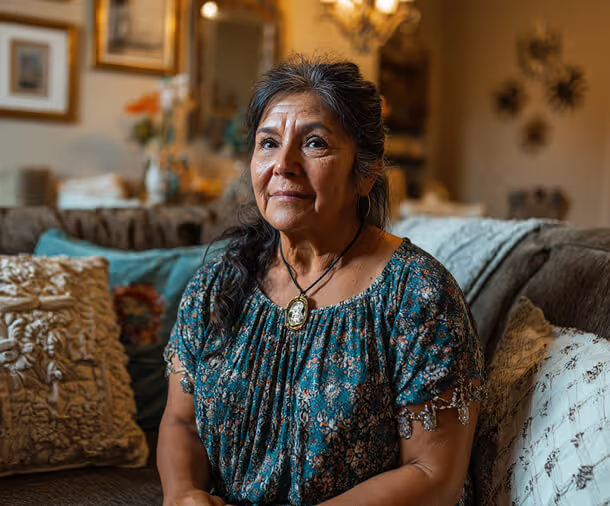
Elena Morales, 71
Elena has lived in Texas for nearly 30 years, raising her children and now doting on her grandchildren. Most days, she can be found at her local church—volunteering in the kitchen, leading prayer groups, or offering a listening ear to anyone who needs it. Her quiet presence is the backbone of her community, and she is cherished for her faith, warmth, and devotion.

Leila Haddad, 56
Leila grew up in Morocco and has spent the last 25 years teaching high school history in San Antonio. She’s beloved for weaving global perspectives into her lessons and mentoring first-generation college-bound students to help them see what’s possible.

Jean-Pierre Louis, 42
Jean-Pierre came to Texas from Haiti under Temporary Protected Status more than a decade ago. For years, he worked long shifts at a manufacturing plant outside Houston, proud to contribute to the local economy and provide for his family. When TPS protections were stripped away, his future became uncertain, but he continues to fight to stay in the place he now calls home.
When we lose one, we lose all.
By signing the pledge, you stand with our immigrant neighbors across Texas, showing solidarity and recognizing the vital contributions we all make to our state.
I stand with the 0 people who are keeping Texas together.

Will you be one of them?
Combat the myths
Explore common misconceptions about immigration in Texas and find the truth behind them.
Immigrants—including undocumented immigrants—are less likely to commit crimes than the U.S. citizens. When comparing crime data and demographic data from 1980 to 2022, as immigrant populations grew, crime rates declined across the country. In Texas – the only state tracking arrest data by immigration status – undocumented immigrants are arrested at rates significantly lower than U.S.-born citizens. Learn more here.
For 24 years, Texas’ Dream Act allowed undocumented students who grew up here and graduated from Texas high schools to pay the same tuition as their classmates. This policy didn’t take seats or strain resources—it strengthened our economy. With the Texas Dream Act repealed, Texas stands to lose over $461M per year in lost wage earnings and decreased spending power.
Immigrants often fill jobs that U.S. citizen workers are unwilling to take like in the agricultural, meat packing, and construction industries including jobs that involved night shifts, long hours, or physical labor. According to the National Academy of Sciences, in the U.S., immigrant workers make up 17% of the workforce, but contribute 25% of GDP growth. Learn more here.
More than 5.1 million immigrants call Texas home—driving growth, powering industries, and enriching every corner of our communities. They pay $50.3 billion in taxes each year at the local, state, and federal levels, funding public services and infrastructure we all rely on. With $156.3 billion in spending power, immigrants strengthen our economy, including Texas’ nearly 1.9 million undocumented residents, who contribute $12 billion in taxes annually.
Refugees, CBP One users, parolees, and Temporary Protected Status recipients all undergo some form of government review or screening before being admitted to or allowed to remain in the United States. This may include background checks, security screenings, and eligibility reviews.
Immigrants often fill jobs that U.S. citizen workers are unwilling to take like in the agricultural, meat packing, and construction industries including jobs that involved night shifts, long hours, or physical labor. According to the National Academy of Sciences, in the U.S., immigrant workers make up 17% of the workforce, but contribute 25% of GDP growth. Learn more here.
U.S. asylum law allows people to apply for asylum regardless of how they entered the country. Crossing the border illegally does not make someone ineligible for asylum.
The border operates under established, orderly processes, and encounters today rise and fall within historical ranges, including peaks in the 1980s, 1990s, and early 2000s. Many arriving are exercising their legal right to request asylum under U.S. and international law. Despite this, some continue to push the false “invasion” narrative — rhetoric that has real consequences, fueling violence in places like El Paso, Buffalo, and Pittsburgh, where attackers used it to justify their actions. This language distorts the facts and dehumanizes people who are simply seeking safety and stability.
Undocumented immigrants, including DACA holders, are ineligible to receive most federal public benefits like SNAP, Medicaid, SSI, and TANF. Legal immigrants, like green-hard holders, use federal public benefits programs at lower rates than U.S.-born citizens. Learn more here.
The Constitution provides all individuals – including immigrants, regardless of status, due process, equal protection under the law, freedom of speech, and other fundamental rights. Taking away these rights isn’t just unjust; it goes against the principles our justice system is built on.
Want to learn more?
Reach out to us for more information.
Note: The Texas Immigration Law Council does not provide legal advice or individual assistance. For legal help, visit the Immigration Advocates Network Directory or Texas Law Help’s Legal Directory.
#KeepTexasTogether

Download the campaign toolkit to bring this message into your community.
Texas is stronger because of immigration, but too often fear-based narratives drown out real stories. Immigrants have shaped Texas for generations — from ranchlands to refineries, classrooms to clinics — yet today they’re too often treated as outsiders instead of the neighbors, workers, and community builders they’ve always been. Keep Texas Together works to change that.
Download the Campaign Overview
Ready-to-use designs to highlight stories, facts, and calls to action that call to #KeepTexasTogether.
Download the Graphics
Use this copy to spark conversations, counter misinformation, and inspire action in your community.
Download the Copy
Use this coloring book as a tool to start meaningful conversations with children about immigration, belonging, and the important role immigrants play in our communities.
Download the Zine